Understanding Home Medical Equipment
Home medical equipment (HME) plays a vital role in enhancing the quality of care for patients, particularly those with chronic conditions, disabilities, or recovering from surgery. These devices and supplies help individuals manage their medical needs in the comfort of their own homes, significantly improving their independence and quality of life. When exploring options, home medical equipment can offer comprehensive insights into the various products available.
What is Home Medical Equipment?
Home medical equipment encompasses a wide range of medical devices and supplies designed for use at home. This equipment is often prescribed by healthcare providers and includes items necessary for patient care, rehabilitation, or maintaining daily living activities.
Types and Uses of Home Medical Equipment
- Mobility Aids: Wheelchairs, walkers, and canes help individuals move safely and independently.
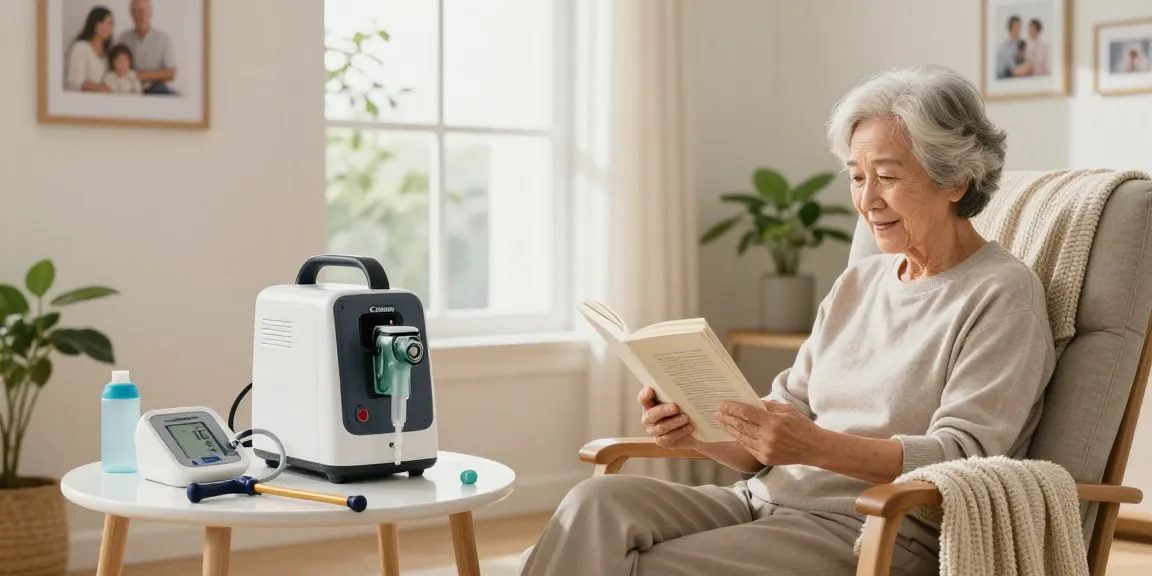
- Monitoring Devices: Blood pressure monitors and glucose meters allow patients to track their health metrics.
- Respiratory Equipment: Oxygen concentrators and nebulizers support patients with breathing difficulties.
- Sleep Apnea Devices: CPAP machines help manage sleep apnea for improved sleep quality.
- Bathing and Toileting Aids: Shower chairs and commode chairs improve safety and comfort in personal hygiene tasks.
Benefits of Home Medical Equipment for Patients
The availability of home medical equipment transforms patient care dynamics. The primary benefits include:
- Enhanced Comfort: Patients can receive care in familiar environments, reducing stress and anxiety.
- Increased Independence: Many devices empower patients to perform daily activities without help.
- Cost-Effective: Reducing hospital stays can lower healthcare costs significantly.
- Continuous Monitoring: Patients can manage chronic conditions effectively, with regular data shared with healthcare professionals.
Choosing the Right Home Medical Equipment
Selecting appropriate home medical equipment is crucial for ensuring patient comfort and safety. The process can be overwhelming, but a methodical approach can guide you towards the best choices.
Assessing Individual Needs and Conditions
Individual assessments should consider the patient’s medical conditions, physical abilities, and daily living requirements. Engaging with healthcare providers, such as doctors or occupational therapists, can offer valuable insights into the most suitable equipment for specific needs.
Key Features to Look For
When selecting home medical equipment, certain features can enhance usability and effectiveness, including:
- Ease of Use: Equipment should be user-friendly and easy to operate.
- Size and Portability: Consideration of available space in the home and whether the device needs to be moved frequently.
- Adjustability: Adjustable features can provide better customization for user comfort.
- Durability: Long-lasting and robust designs can withstand daily use.
Common Misconceptions about Home Medical Equipment
There are many myths surrounding home medical equipment that can lead to hesitation in its adoption. Common misconceptions include:
- It’s Too Expensive: Many options come with insurance coverage or rental programs.
- Only For the Elderly: Home medical equipment caters to a wide demographic, including those with disabilities or recovering from surgery.
- Complicated to Use: Modern designs focus on user-friendliness and often come with training resources.
Integrating Home Medical Equipment into Daily Life
Successful integration of home medical equipment requires thoughtful planning and ongoing maintenance to ensure it meets patients’ needs effectively.
Setup and Maintenance Considerations
Proper setup is crucial for the effectiveness of home medical equipment. Regular maintenance checks can prolong the life of these devices, ensuring they function optimally. It is important to follow manufacturer guidelines for usage and care.
Training for Patients and Caregivers
Education is essential when it comes to using home medical equipment safely and effectively. Caregivers should receive proper training to help patients use the devices correctly, which in turn boosts confidence and contributes to better health outcomes.
Creating a Safe Environment for Use
Safety is paramount. Homes should be adapted to minimize hazards that might affect the use of medical equipment. This may include removing tripping hazards, ensuring adequate lighting, and creating accessible pathways.
Future Trends in Home Medical Equipment
The landscape of home medical equipment is rapidly evolving, driven by technological advancements and changes in healthcare delivery systems.
Innovations Expected by 2026
By 2026, emerging technologies such as artificial intelligence and IoT (Internet of Things) are expected to play significant roles in home medical equipment. These innovations will enable smarter devices that can monitor health metrics in real time, potentially alerting healthcare providers of critical changes.
The Role of Telehealth in Home Equipment Management
Telehealth is becoming increasingly integrated with home medical equipment. Patients can receive remote consultations and support, allowing for better management of their equipment and health conditions without frequent clinic visits.
Anticipated Changes in Regulations and Standards
As the use of home medical equipment expands, regulations will likely evolve to address safety, efficacy, and user standards. Adhering to these guidelines will be essential for manufacturers to ensure the devices remain beneficial for consumers.
Real-Life Impact of Home Medical Equipment
The effectiveness of home medical equipment can be measured by its impact on patients and healthcare providers alike.
Case Studies: Success Stories from Patients
Numerous patients have reported improved quality of life due to the incorporation of home medical equipment. For example, individuals with mobility limitations who utilize wheelchairs or walkers often express increased confidence and independence.
Feedback from Healthcare Providers
Healthcare professionals have noted significant enhancements in patient outcomes when home medical equipment is effectively integrated into treatment plans. Feedback highlights reduced hospital readmissions and improved management of chronic diseases.
Assessing Health Outcomes and User Satisfaction
Regular assessments of health outcomes and user satisfaction are crucial for evaluating the effectiveness of home medical equipment. Surveys and patient interviews can provide valuable insights into how well the equipment meets their needs and expectations.
What types of home medical equipment are available?
There is a wide range of home medical equipment available, catering to various medical needs, including mobility aids, respiratory devices, and monitoring systems.
How can home medical equipment improve patient care?
Home medical equipment enhances patient care by providing the tools necessary for monitoring health conditions, improving mobility, and enabling independence.
Are there financing options for home medical equipment?
Yes, various financing options exist, including insurance coverage, payment plans, and rental programs to make access to essential equipment more affordable.
How to maintain and care for home medical equipment?
Proper maintenance includes regular cleaning, following manufacturer instructions, and promptly addressing any issues to ensure the equipment remains safe and functional.
What are the latest advancements in home medical technology?
Recent advancements include the integration of smart technology in devices, which allows for real-time health monitoring and better communication with healthcare providers.